Early Bird Deadline
30 November 2026
Judging
Date
15 March 2027
Winners Announcement
15 April 2027
30 November 2026
15 March 2027
15 April 2027


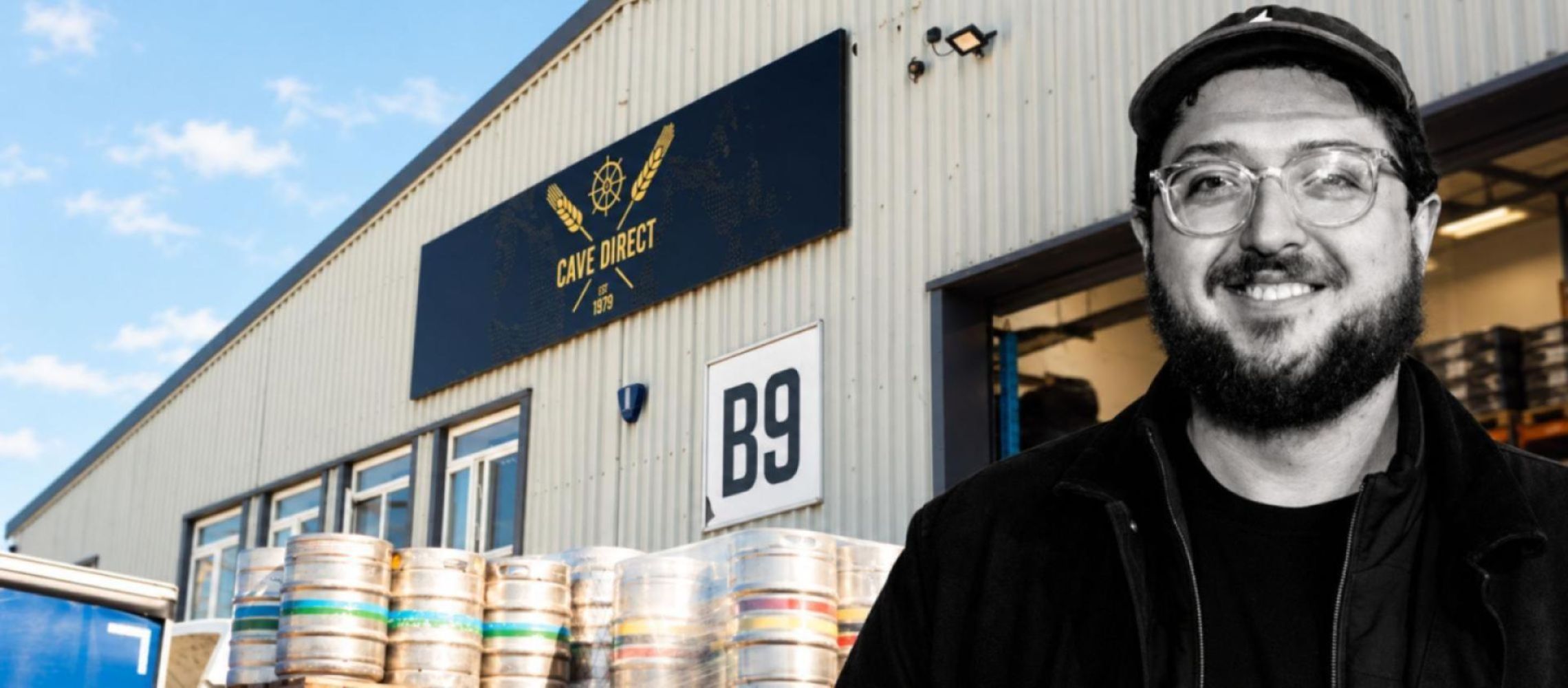
As a buyer at specialist beer importer and distributor Cave Direct, Ben Selby selects beers for customers ranging from specialist beer shops to pubs and bars. His approach combines an appreciation for quality, character and a clear sense of identity with practical considerations such as freshness, pricing, supply and how quickly a venue can sell a beer while it is at its best.
Ben’s questions and answers are here.
I’m a buyer at Cave Direct, a specialist beer importer and distributor. My role is about finding great beers and supporting our great portfolio with a range of beers that work for our customers, from specialist beer shops to pubs and bars. That means balancing quality and character with the practical things that make a beer successful. Things like freshness, consistency, price, availability, and support from the brewery. I’m interested in beers with a clear sense of place and purpose, whether that’s a traditional European classic like Cantillon or something new from an independent brewery like Omnipollo, Pohjala, Floc, etc.
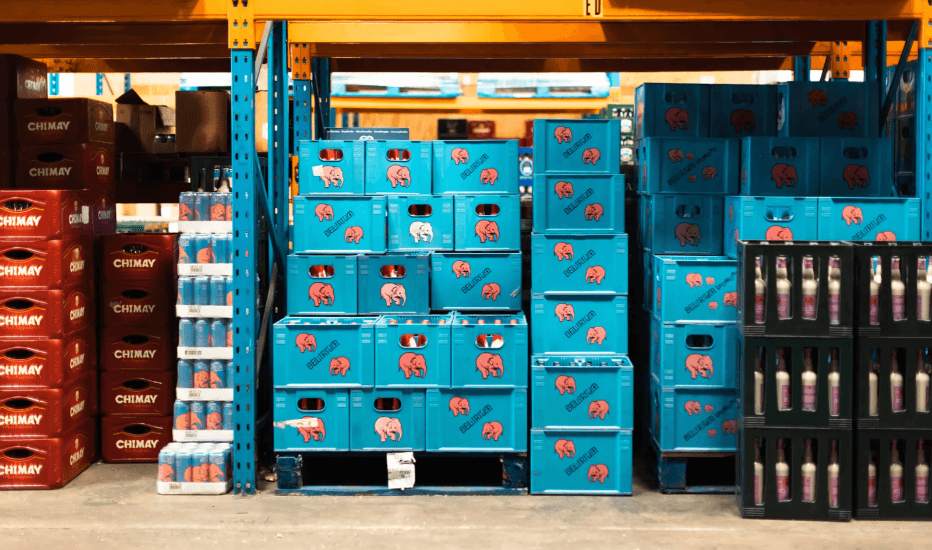
Cave Direct is a specialist beer importer and distributor supplying pubs, bars and specialist beer shops across the UK. Its portfolio brings together traditional European classics and independent breweries, including Cantillon, Omnipollo, Pohjala and Floc.
I mean, it has to fit in with and complement our amazing portfolio. I start with the beer, then look into what job it will do for the customer and the potential of the brand too. Is it something that is going to be a permanent lager, or a one-off special like a rotating IPA? Quite a lot of beers I deal with are even things like special releases or something a venue can build an event around. Those are different buying decisions, and each needs a different measure of success. Then I work through price, margin, format, freshness, and supply. On draught, I’m thinking about how quickly an account can sell a keg while the beer is at its best. A good margin on paper means very little if the beer moves too slowly.
A clear identity. I want to understand fairly quickly who the brewery is, what it does well, and why its beer deserves attention. Good packaging and design help, particularly when it makes the style and proposition easy to understand. Then whether the promise is convincing enough too; packaging and design do get attention, but the beer has to justify it.
A sense that everything has been considered. Aroma, flavour, texture, carbonation, and finish should contribute to the same experience. Not only that, I always consider the intended serving. A good beer should impress in a small tasting sample and also still needs to work when you sit down to enjoy a full glass.
It's our bread and butter, but quality lager and fresh pale ales and IPAs are the areas I’d always highlight. A lot of change has gone on in the market in the last few years, and people are kind of looking for great, consistent pints.
They sometimes mistake access to distribution for established demand. A distributor can make a beer available, but building a reason for venues to buy it and drinkers to order it takes work from both sides. It's a partnership to help offer a route to market for the product, but also to make your product appeal to a wide variety of customers in that market too.
[[relatedPurchasesItems-69]]
Make it easier for the people closest to the drinker to sell and serve the beer well. That means useful staff training, clear flavour descriptions, appropriate glassware where relevant, and honest information about storage, freshness and supply. Someone working a busy bar should be able to recommend the beer confidently in a sentence, then explain more if the customer is interested.
A beer I would be excited to recommend, and to be honest, judging is also a chance to step outside familiar buying patterns and encounter something without the usual assumptions about a brewery’s reputation. I hope to discover beers whose appeal I can explain clearly: what makes them good, who might enjoy them, and why they deserve another look.
Be specific about where you want to succeed. The UK contains many different customers and drinking occasions. Identify the accounts that suit your beer, understand their prices and buying patterns, and build a realistic plan with your distribution partner.
This is a tough one because there are so many great places. Beer Merchants Tap has to be in there, for admittedly biased reasons! It has a great selection (which I had a hand in buying); I get to follow the buying journey from my emails to the end consumer. And it's somewhere you can just settle in with a good pint too.
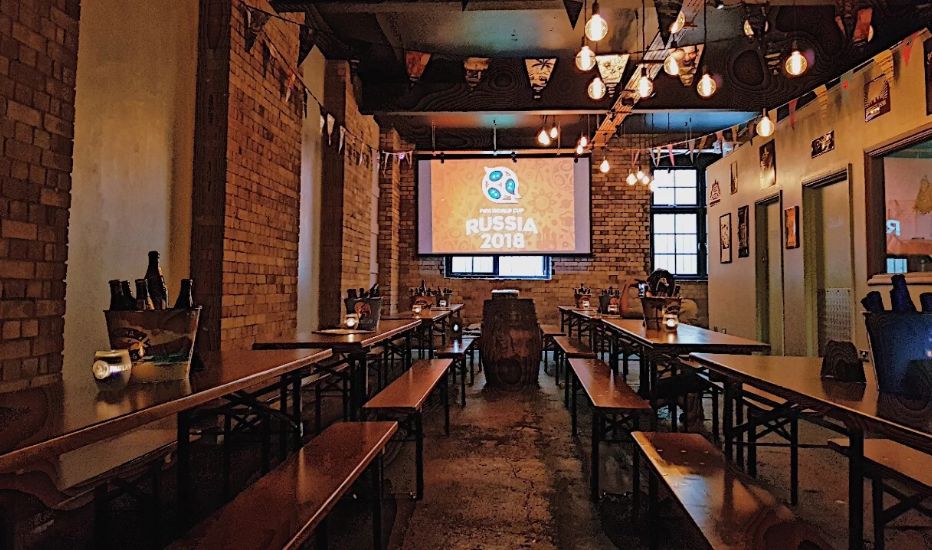
Beer Merchants Tap
Then if I’m venturing into London, it’s always got to be the Sutton Arms in Farringdon. It’s the kind of pub I’ll make a point of visiting because a good pub is about the whole experience, the beer, the people and how you feel when you walk through the door. It just has everything.
But I’d also give a mention to my local, The Star in Plumstead. Working in beer, it’s easy to choose somewhere purely on the range, but there’s real value in supporting the pub on your doorstep, even if a brewery or pub co-op limits the choice. It’s somewhere to see familiar faces and stay connected to where you live. With so many pubs closing, I think we have to make time for those places too.
Also Read:
Know Your Judge: Loucian Sotiri, Food & Beverage Manager at The Dixon, Tower Bridge
Know Your Judge: Stuart Pearson, Head of Sales at James Clay & Sons
The 2027 London Beer Competition gives every entrant greater feedback, transparency and valuable commercial insight. Entrants will receive an expanded score breakdown, constructive feedback on how to improve their beers, guidance on how to market and sell them, the names of the judges who tasted their entries, final feedback from the Head Judge and a Buyer Market Intelligence Report.
Enter your beers in the 10th edition of the London Beer Competition.