Super Early Deadline
31 August 2026
Judging
Date
22 March 2027
Winners Announcement
22 April 2027
31 August 2026
22 March 2027
22 April 2027
Long before sustainability became a marketing strategy within the drinks industry, Hiver Beers was built around a simple but powerful idea: healthy bee populations are essential not only to ecosystems, but to communities, agriculture and the future of food and drink itself.
Founded in 2013 by Hannah Rhodes after an unexpected encounter with urban beekeeping atop London’s Tate Britain, Hiver emerged from the intersection of two worlds — brewing and beekeeping. What began as curiosity quickly evolved into a mission-led craft drinks company focused on creating beers and ciders that celebrate British honey while actively supporting pollinators and local producers.
More than a decade later, Hiver has established itself as one of the UK’s most distinctive purpose-driven beverage brands, blending craft brewing credentials with sustainability, local sourcing and authentic storytelling in a way that increasingly resonates with modern consumers and trade buyers alike.
At the heart of Hiver’s identity is its direct relationship with British beekeepers.
The company purchases tonnes of raw British honey annually from independent apiaries across the country, helping support local beekeeping economies while ensuring provenance and freshness remain central to production. Unlike many honey-flavoured beverages that rely on processed adjuncts or artificial flavourings, Hiver uses real honey as a functional ingredient within the brewing process itself.
This commitment to authenticity extends throughout the company’s wider production philosophy. Hiver’s beers are unpasteurised, made using natural ingredients and slow production methods that prioritise flavour integrity over industrial efficiency. The brewery is also Slow Food accredited, reinforcing its alignment with craft-led, sustainable food and beverage values.
For trade buyers, this creates a compelling point of differentiation in a market increasingly crowded with brands making broad sustainability claims without operational substance behind them.
Hiver’s sustainability narrative works because it is deeply integrated into the company’s operations rather than existing as an external campaign.
The brewery sources exclusively from UK suppliers wherever possible, significantly reducing haulage distances compared to conventional brewing supply chains that often rely on imported barley, hops, packaging materials and adjunct ingredients. The company also operates as a London Living Wage employer, reinforcing its commitment to responsible business practices across both environmental and social dimensions.
Most notably, Hiver pledges 10% of profits to pollinator charities and actively engages consumers through education initiatives, bee-friendly planting campaigns and partnerships that encourage biodiversity and habitat restoration.
This holistic approach has helped position the brand at the intersection of several important consumer trends simultaneously: sustainability, provenance, local sourcing, craft authenticity and ethical consumption.
As conscious purchasing increasingly shapes buying decisions across both retail and hospitality, Hiver’s positioning offers clear commercial relevance.
While sustainability forms the backbone of the company, Hiver’s success also lies in its ability to create emotional connection and approachability.
Founder Hannah Rhodes has consistently framed Hiver around conviviality, accessibility and shared experiences rather than exclusivity. That philosophy is reflected in everything from the brewery’s educational experiences and community outreach to the approachable flavour profiles of its beers and ciders.
The brand’s Bermondsey roots also place it within one of the UK’s most culturally influential craft beer destinations, helping establish strong credibility within the independent beer scene while maintaining mainstream consumer appeal.
That growing profile received a significant moment of recognition in March 2026, when Their Royal Highnesses the Prince and Princess of Wales visited the Bermondsey Beer Mile and sampled Hiver Blonde during the engagement — an endorsement that further elevated the brewery’s visibility within the British drinks landscape.
Hiver’s blend of craftsmanship, innovation and presentation was strongly validated at the 2026 London Beer Competition, where the brewery secured one of the event’s standout results.
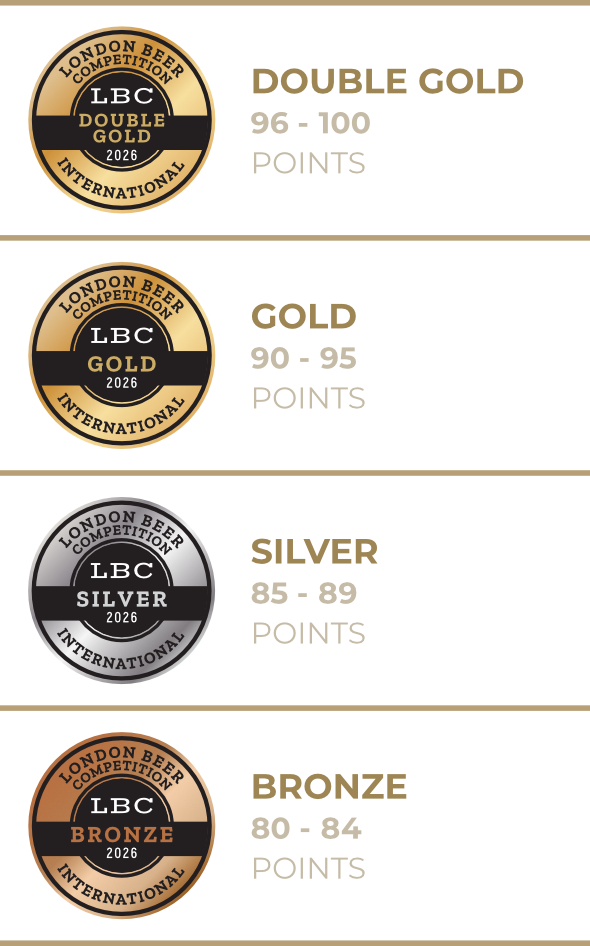
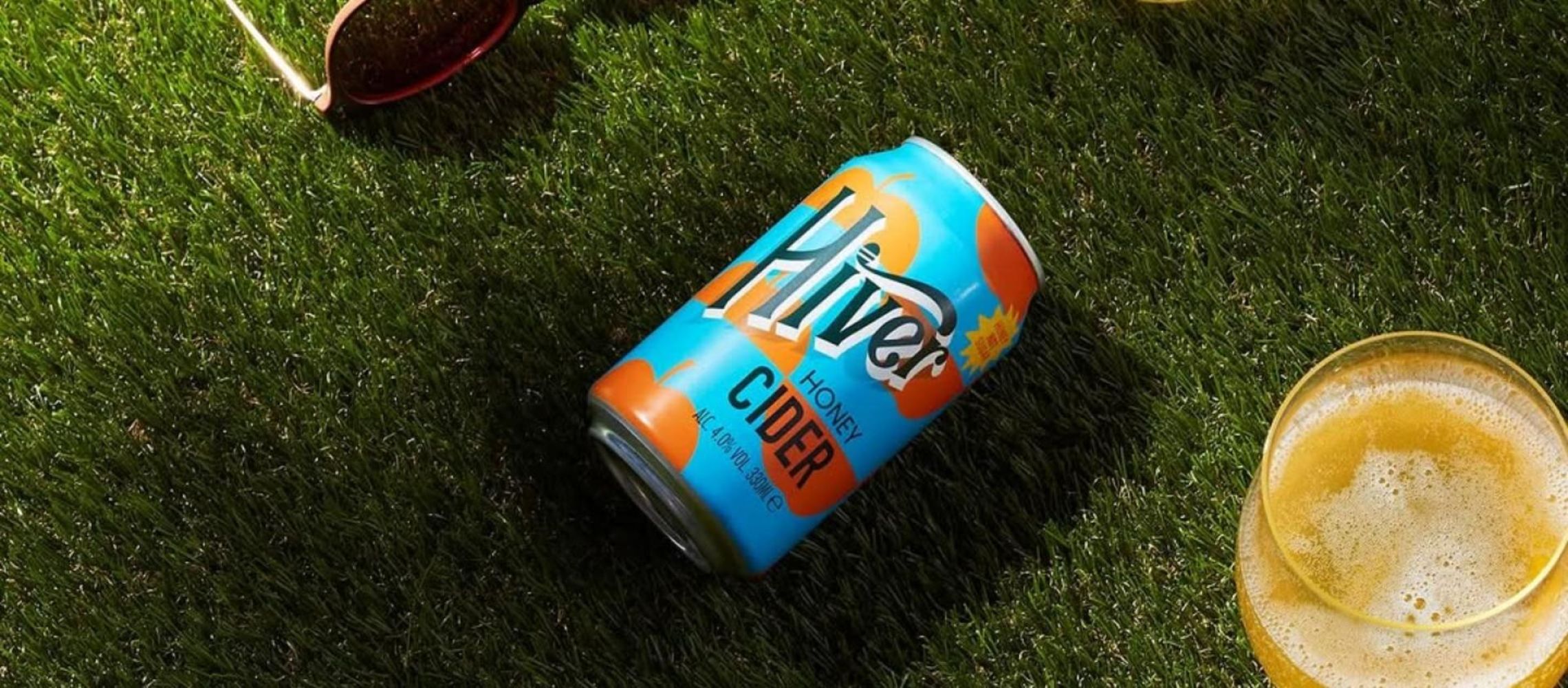
Its Hiver Honey Cider earned a Double Gold Medal with 96 points and was additionally recognised with the award for Best Beer By Packaging.
Judges praised the cider’s delicate floral honey aromatics, balanced orchard fruit character and clean finish — qualities that highlight Hiver’s ability to integrate honey into beverages with restraint and sophistication rather than overt sweetness.
The dual recognition for both liquid quality and packaging is particularly important in today’s competitive retail environment, where visual storytelling and shelf presence increasingly influence consumer purchasing decisions.
Alongside the cider’s success, Hiver’s Fabal Lager also secured a Bronze Medal, reinforcing the brewery’s capability across multiple styles and occasions.
For distributors, retailers and hospitality operators, Hiver represents a category of modern craft brand that is becoming increasingly valuable: businesses capable of combining strong product quality with authentic values and highly communicable narratives.
Consumers today are not simply buying beverages — they are buying into stories, missions and communities. Hiver’s connection to pollinator protection, local sourcing and British beekeeping gives the brand a natural conversational advantage in both retail and on-trade settings.
At the same time, the products themselves remain accessible, sessionable and commercially viable, allowing the brand to bridge the gap between craft authenticity and broader consumer appeal.
This balance is particularly important as hospitality operators look to curate beverage programmes that feel purposeful and differentiated without alienating mainstream drinkers.
Hiver’s long-term relevance may ultimately come from the fact that it operates with a wider ecosystem in mind — both literally and commercially.
In an era where sustainability claims are often scrutinised, the brewery’s close relationship with British beekeepers, local agriculture and pollinator advocacy gives the brand genuine credibility. At the same time, its award-winning products prove that ethical positioning alone is not carrying the business; quality remains central to its success.
As the drinks industry continues evolving toward greater transparency, provenance and environmental accountability, Hiver stands as an example of how small craft producers can build commercially relevant brands while still maintaining a strong social and ecological purpose.
For the trade, that combination is becoming increasingly difficult to ignore.
And for Hiver, it all began with a beehive on a London rooftop.
The 2027 London Beer Competition gives every entrant greater feedback, transparency and valuable commercial insight. Entrants will receive an expanded score breakdown, constructive feedback on how to improve their beers, guidance on how to market and sell them, the names of the judges who tasted their entries, final feedback from the Head Judge and a Buyer Market Intelligence Report.
Enter your beers in the 10th edition of the London Beer Competition.