Super Early Deadline
31 August 2026
Judging
Date
22 March 2027
Winners Announcement
22 April 2027
31 August 2026
22 March 2027
22 April 2027

For breweries, getting a beer into the trade is only the beginning.
Once a keg, can, or bottle leaves the brewery, a series of decisions made by distributors, retailers, operators, and front-of-house teams can determine whether that beer reaches the customer in the condition intended, gets recommended at the bar, and ultimately earns a repeat purchase.
Few people see that journey from as many angles as Mitch Adams. As Director of Operations and Beer Buyer at Craft Locals, he combines more than two decades of experience across pubs, beer buying, drinks retail, importing, logistics, supply chain and hospitality operations. He has worked with beer from the point of sourcing through to the moment it is served to a guest.
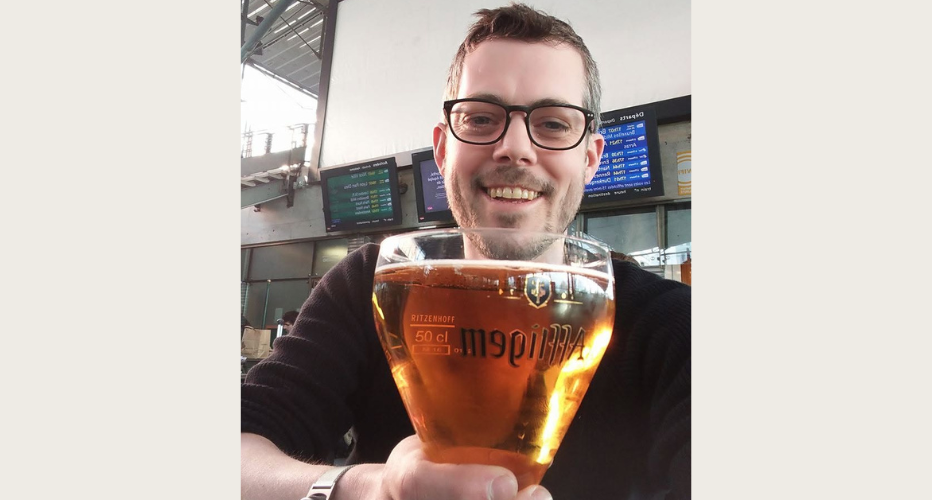
That gives him a particularly practical perspective on what makes a beer work commercially. For Adams, the liquid remains fundamental, but successful beer brands need to think about everything around it too, from distribution and storage to staff training, availability and relationships with the trade.
As a judge at the London Beer Competition, he also brings that real-world perspective into the judging room. Here, Adams explains what breweries often overlook once their beer leaves the brewery, why pubs need to cater for different tastes, and why repeat purchase is ultimately the test of a sustainable beer brand.
The journey doesn't end when the beer is packaged.
There's delivery to the retailer or end user, including customer service, invoicing, and correct storage. Most importantly, though, especially when dealing with B2B, I think breweries often forget that it is still their job to sell their beer to the end user.
Whether that's helping a distributor find taps or giving a retailer the training, knowledge, and desire to sell their beer to the general public over all the other beers they have in their fridge or on their shelf.
I've made life hard for myself and my business in the past by sticking solely to products I would want to drink and believe in.
However, there are so many factors that come into play when a group of people decides which venue they're going to visit.
For me, I have learnt that more important than my likes and values are the values every pub should hold dear: somewhere for everybody, with different tastes and different likes.
It's important to appeal to the wider demographic. This will ultimately help drive footfall when everybody in a group has a reason to visit your venue.
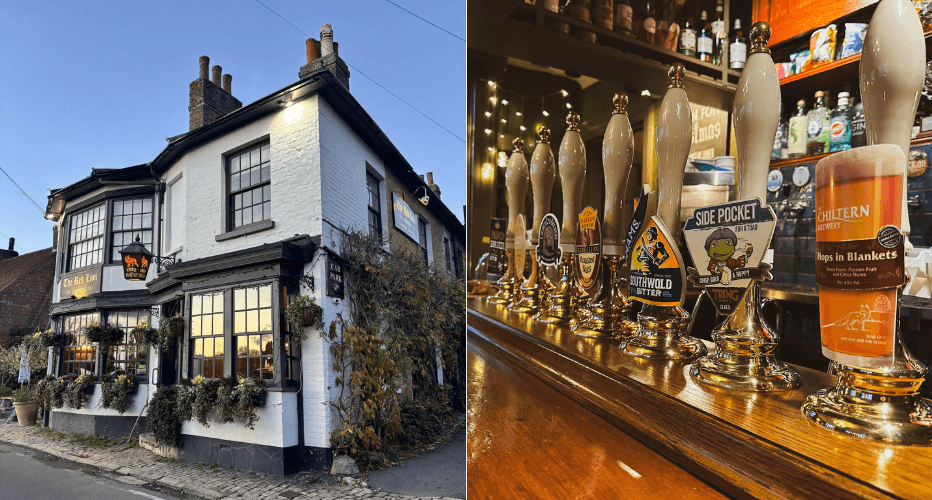
Image: The Red Lion, Chenies.
Cold chain is a wonderful aspiration, and for some beers it's absolutely essential. Fresh, unpasteurised lagers and super-hazy, heavily hopped beers really benefit from being kept cold from brewery to customer.
But cold chain is expensive, and if we want beer to remain accessible, there has to be some pragmatism. Most beers will survive a short period above their ideal temperature, and avoiding ambient transport during a heatwave is often more important than obsessing over maintaining 5°C throughout the entire journey.
Where I have less sympathy is for retailers who choose to stock specialist beer styles but can't look after them properly. If you're selling delicate, artisan beer, you have a responsibility to understand how it should be stored.
There's little point in a brewer investing in freshness and quality if the retailer then leaves the beer warm for weeks.
Customers don't necessarily need a beer expert behind the bar. They need someone who can make the beer sound worth trying.
Too much craft beer jargon can be a barrier. Telling someone it's a "DDH, Citra and Mosaic-hopped hazy DIPA" doesn't necessarily help them decide if they'll enjoy it.
The best descriptions are short, simple, and relatable: "It's juicy, soft, and not too bitter" or "If you like pale ale, you'll probably love this."
Staff need enough knowledge to make that connection without overwhelming the customer.
Ultimately, it's about making beer approachable. If the team can explain why a beer is interesting in a sentence or two, you're much more likely to get someone to try something new and come back for it.
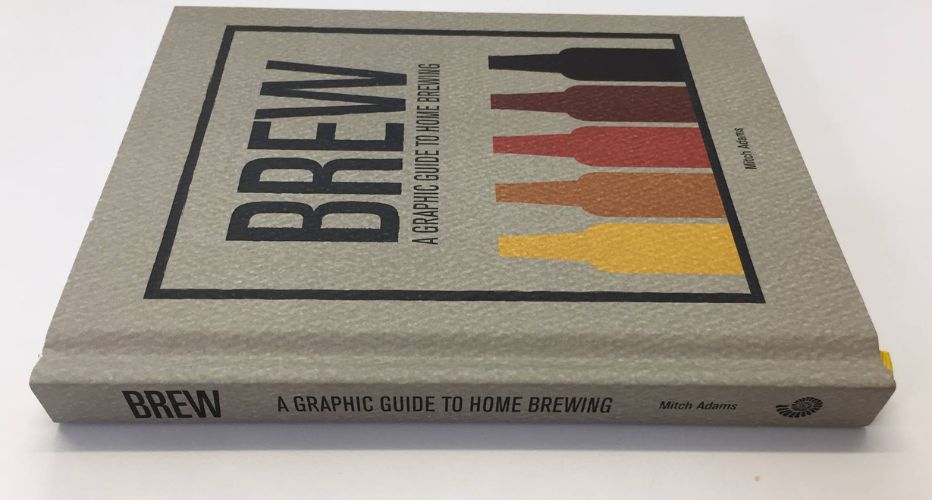
Image: The Book "Brew" written by Mitch Adams.
A commercially sustainable beer needs to be good, consistent, available, commercially viable, and easy for staff to sell.
A beer can be fantastic but struggle if it's expensive, low-margin, difficult to source, too niche, or slow to sell through. Space is limited, so every keg needs to earn its place.
Ultimately, the test is repeat purchase.
The exciting beer is ordered once. The sustainable beer is ordered again.
Quality is a given. There are too many great beers out there for that alone to make one stand out.
For me, it often comes down to relationships. We want to buy from people we like, trust, and enjoy working with.
That relationship gives us confidence in the brewery, the product, and the service behind it. In a crowded market, those relationships help narrow down the huge amount of choice and decide which beers are genuinely worth making room for.
When I'm judging, I'm judging the beer in the glass. When I'm buying, I'm judging the entire proposition.
A great beer gets you into the conversation, but building a successful brand is about much more than the liquid.
Consistency, availability, identity, and the ability to connect with customers all matter. Ultimately, the real test is repeat purchase.
Anyone can get someone excited enough to try a great beer once. The successful brands are the ones that make them want to order it again and again.
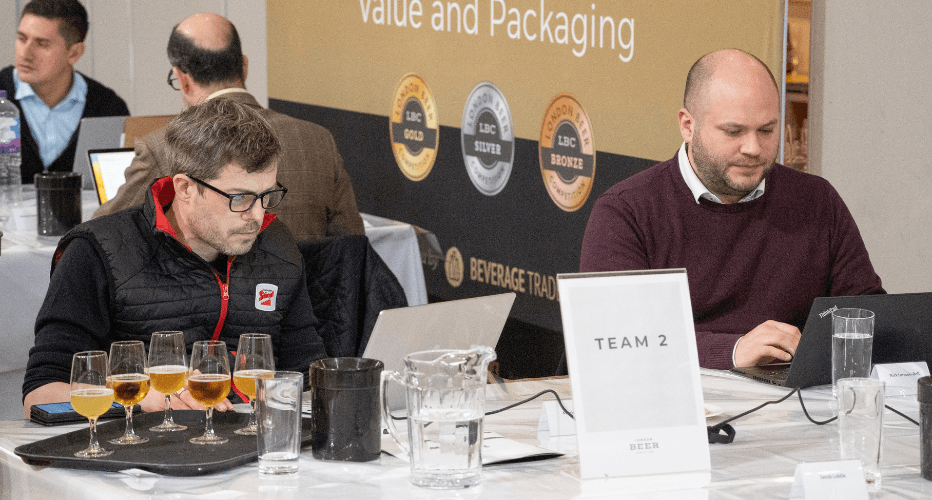
Image: Mitch Adams judging at the London Beer Competition.
I'd head to Nashville with my family.
I've been once and loved it. Great beer, great food, music everywhere, an incredible vibe, and one that demands to be shared, to be fully enjoyed.
For breweries trying to grow in the UK on-trade, Adams' perspective offers a useful reminder that the beer itself is only one part of the commercial proposition.
A brewery can produce an exceptional liquid, but the work continues through distribution, storage, staff training, customer communication and the relationships that underpin the supply chain. Those details can determine whether a beer arrives in good condition, gets recommended at the bar and ultimately earns another order.
His comments also highlight a reality that can be uncomfortable for producers who are deeply passionate about their own beers. A buyer cannot build a successful pub range around personal preference alone. The range has to give different customers a reason to visit, while every beer needs to justify the space, margin and operational effort required to keep it available.
For Adams, the ultimate measure is refreshingly straightforward.
The exciting beer gets ordered once. The sustainable beer gets ordered again.
That distinction sits at the heart of building a beer brand with genuine staying power. For breweries seeking growth in the on-trade, making a great beer may open the door. Getting customers, staff, operators, and trade partners to choose it repeatedly is what keeps the door open.
In conversation with Malvika Patel, Editor and VP, Beverage Trade Network
Also Read:
Morrisons, Waitrose, Ocado and Fuller’s Buyers Join Our 10th Edition
Fuller's Beer Expert Benedict Sedgwick Joins The London Beer Competition As A Judge
More Feedback and Transparency For Entrants At The London Beer Competition
The 2027 London Beer Competition gives every entrant greater feedback, transparency and valuable commercial insight. Entrants will receive an expanded score breakdown, constructive feedback on how to improve their beers, guidance on how to market and sell them, the names of the judges who tasted their entries, final feedback from the Head Judge and a Buyer Market Intelligence Report.
Enter your beers in the 10th edition of the London Beer Competition.