Super Early Deadline
31 August 2026
Judging
Date
22 March 2027
Winners Announcement
22 April 2027
31 August 2026
22 March 2027
22 April 2027
For years, the future of beer seemed to belong to hazy IPAs, heavily fruited sours, experimental adjuncts, and brightly designed craft cans. At the same time, cask ale, traditional bitters, and old pub rituals were increasingly treated as reminders of another era. That divide is starting to look less clear. Younger drinkers are showing renewed curiosity about heritage beer culture, not because they want to recreate the past, but because many of its defining qualities, including lower-strength drinking, regional identity, craftsmanship and distinctive pub experiences, now feel surprisingly relevant.
According to The Morning Advertiser, new NIQ research released ahead of Cask Ale Week 2026 shows that some of Britain’s fastest-growing cask brands are not new craft launches but long-established names, with Bass leading growth by value, followed by Timothy Taylor’s Landlord, Wadworth 6X, St Austell Tribute and Theakston XB. Tracking data also shows more under-35s, particularly 18-to-24 and 25-to-29-year-olds, drinking in pubs that serve Bass. The wider picture remains complicated because on-trade cask volumes have continued to fall. Yet, renewed interest in heritage brands suggests younger drinkers are reconsidering a category once routinely dismissed as old-fashioned.
From handpulls and half-pints to dark beer and vintage branding, several traditions that once looked dated are beginning to feel fresh again.
Cask ale has spent years fighting an image problem, yet its difference from highly carbonated keg beer is becoming part of the appeal. Bass, Landlord, London Pride, Tribute and Wadworth 6X arrive with built-in history. At the same time, breweries such as Cloudwater and DEYA have also experimented with cask, helping the format reach drinkers who entered beer through modern craft. A well-kept pint drawn from the cask feels tied to the pub, the cellar and the person serving it, giving the format a sense of place that is difficult to reproduce elsewhere. That combination of craftsmanship, tradition and discovery is giving younger drinkers a reason to reconsider what cask can offer.
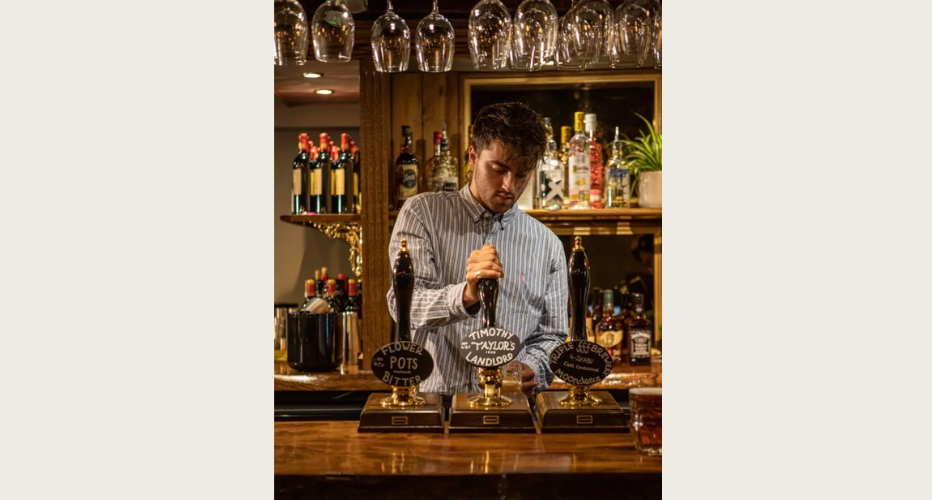
Source: Beer And Pub
For a generation raised on hazy pale ales, pastry stouts and heavily hopped IPAs, bitter can feel surprisingly new. Its appeal lies in balance rather than excess, with malt, gentle hop bitterness and modest strength creating a beer designed for conversation rather than sensory overload. Timothy Taylor’s Landlord has become the UK’s biggest-selling cask ale by value and volume, while Harvey’s Sussex Best, Adnams Southwold Bitter, Black Sheep Best Bitter, Hogs Back T.E.A. and Theakston Best Bitter keep regional interpretations visible. Their renewed relevance suggests that “traditional” no longer has to mean predictable, especially as younger drinkers search for styles they haven't already encountered on every craft tap list.
Wood panelling, patterned carpets, etched mirrors, fireplaces, snug rooms and handwritten pump clips once looked like things modern hospitality needed to replace, but they now offer exactly the character many younger consumers seek. A historic pub can feel more individual than a polished bar concept copied across several cities, while its imperfections often make it more memorable. Pub estates associated with Fuller’s, Samuel Smith, Greene King, St Austell and Adnams retain strong visual identities, while independent free houses add local beer, pub games and community events. The attraction is not simply nostalgia because the pub offers an analogue social space when much of everyday life is mediated through screens.
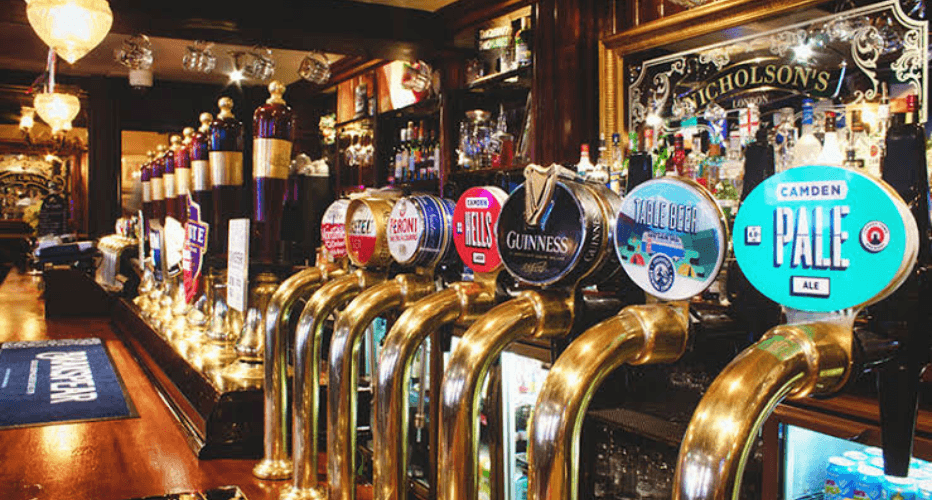
Source: VinePair
A row of handpulls immediately signals choice, locality and tradition, while the act of pulling a pint gives cask a piece of theatre that a standard tap cannot quite match. Pump clips also function as miniature pieces of branding, allowing familiar names such as London Pride, Proper Job, Landlord or Greene King IPA to sit beside rotating beers from smaller regional breweries. For younger drinkers who value process and provenance, seeing how beer is served can strengthen the connection with what is in the glass. The handpull becomes more than old pub hardware because it signals a living beer that requires care, cellar knowledge, and attention from the publican.
The craft boom often rewarded bigger flavours and bigger ABVs, but the current conversation is increasingly about drinking more deliberately. Traditional British beer has an advantage here because milds, bitters, golden ales and many cask pale ales naturally sit at strengths that suit a slower evening in the pub. Timothy Taylor’s, Harvey’s, JW Lees, St Austell and Theakston have long shown that flavour does not require extreme strength, while newer breweries are applying the same thinking to pale ales and table beers. Sessionability now feels less like a compromise and more like a response to consumers who want flavour, sociability and moderation to exist in the same drinking occasion.
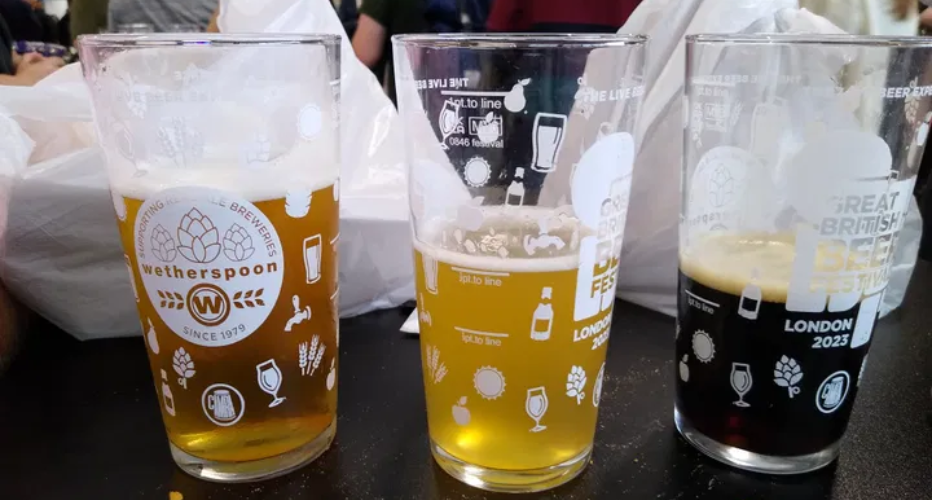
Source: Pistonheads
Smaller serves are also moving into the mainstream. Square data reported by The Morning Advertiser found that London accounted for 44% of Britain’s smaller beer serves, while Wednesday sales of smaller formats rose 27% year on year; Monday and Tuesday also recorded increases of 23% and 20% respectively. For curious drinkers, the half-pint creates freedom because it makes it easier to try a bitter, porter, mild or cask special without committing to a full pint. In beer-focused pubs, smaller measures can therefore become a tool for discovery rather than a sign that somebody is not a “serious” beer drinker.
Guinness has helped make dark beer culturally visible to younger drinkers in Britain, but the opportunity extends far beyond one famous stout. British breweries are responding with porters, milds and darker ales that deliver roasted, chocolate, caramel and coffee notes without necessarily carrying the weight or alcohol level of an imperial stout. Anspach & Hobday’s London Black has become a prominent modern porter, while Left Handed Giant, Theakston and Black Sheep show how dark beer can bridge traditional and contemporary identities. Hogs Back has also reported growing demand for milds, stouts and traditional styles, suggesting that stout drinkers may increasingly explore the broader dark-beer family.
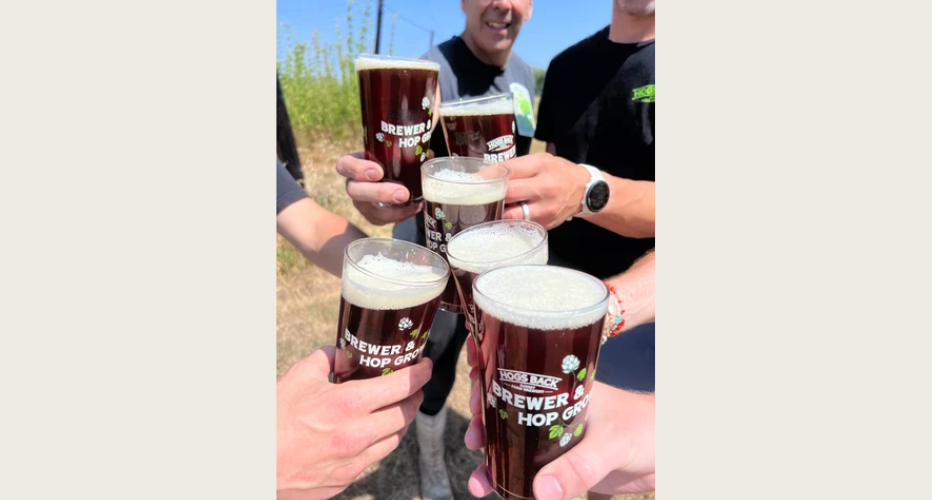
Source: Hogs Back
A red triangle, an old brewery crest or a typeface that might once have been “modernised” out of existence can now be a powerful asset. Bass demonstrates the value of recognisable heritage, while Timothy Taylor’s 2026 identity refresh shows how a historic brewer can sharpen its presentation without abandoning the visual codes that make it distinctive. The update introduced new pump clips, glassware, bottles and a British racing green palette while leaving the beers and recipes unchanged. Boddingtons provides another example, having returned to cask through JW Lees with a more premium interpretation of a familiar name. For younger consumers, vintage branding can signal authenticity and longevity, particularly when the history, regional story, and visual assets are genuine.
The dimpled mug, iconic pint, and brewery-branded glass are becoming part of the visual pleasure of drinking beer, particularly when distinctive serves photograph better than anonymous straight-sided glassware. Glass shape can also change how a beer feels in the hand, while branded vessels reinforce the idea that a particular beer deserves its own ritual. Many producers included new glassware in their latest brand refresh, while traditional brewers have long used branded glasses to extend their identity beyond the bar. In an era obsessed with visual identity, old-fashioned glassware has unexpectedly become another way for pubs and breweries to stand out.
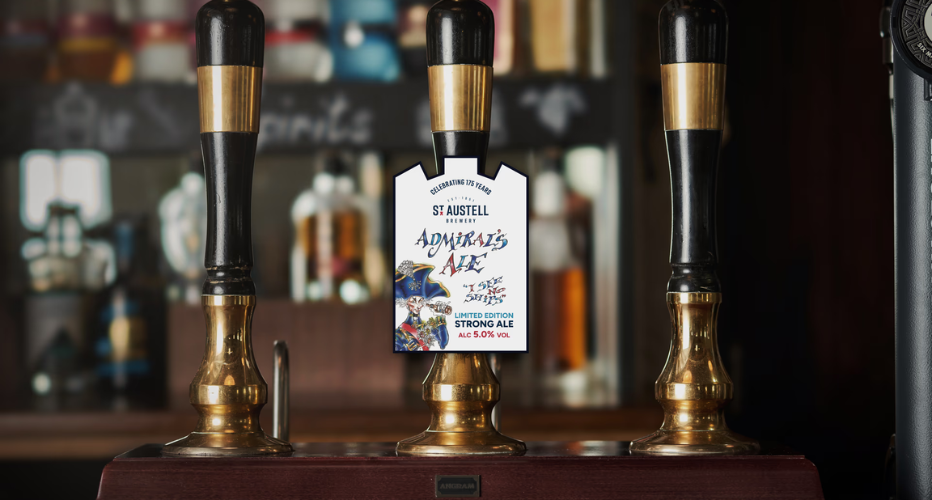
Source: St Austell
Regional loyalty has always been central to British beer, from Harvey’s in Sussex and Adnams in Suffolk to St Austell in Cornwall, Timothy Taylor’s in Yorkshire and Brains in Wales. What is changing is the language around that loyalty because provenance, independent production and community now overlap with values younger consumers use in other purchases. The SIBA Independent Beer Report 2026 found that 89% of 18-to-24-year-olds believe it is important for pubs to offer beers from small breweries alongside global brands, while 31% of consumers said locally made beer would encourage them to try cask. For regional brewers, that creates an opportunity to present heritage not as a museum piece but as a living connection between a beer, a place and the people drinking it.
Gen Z is not abandoning craft beer for a sepia-tinted version of the past, and cask still faces challenges around awareness, quality and declining volume. What is changing is the assumption that traditional beer culture has nothing new to offer younger drinkers. Cask ale, bitters, half-pints, handpulls, dark beer and heritage branding carry qualities that feel surprisingly current: authenticity, moderation, personality, locality and human connection. For British breweries and pubs, the opportunity is to serve those traditions well, explain them clearly, and let a new generation discover why they lasted.
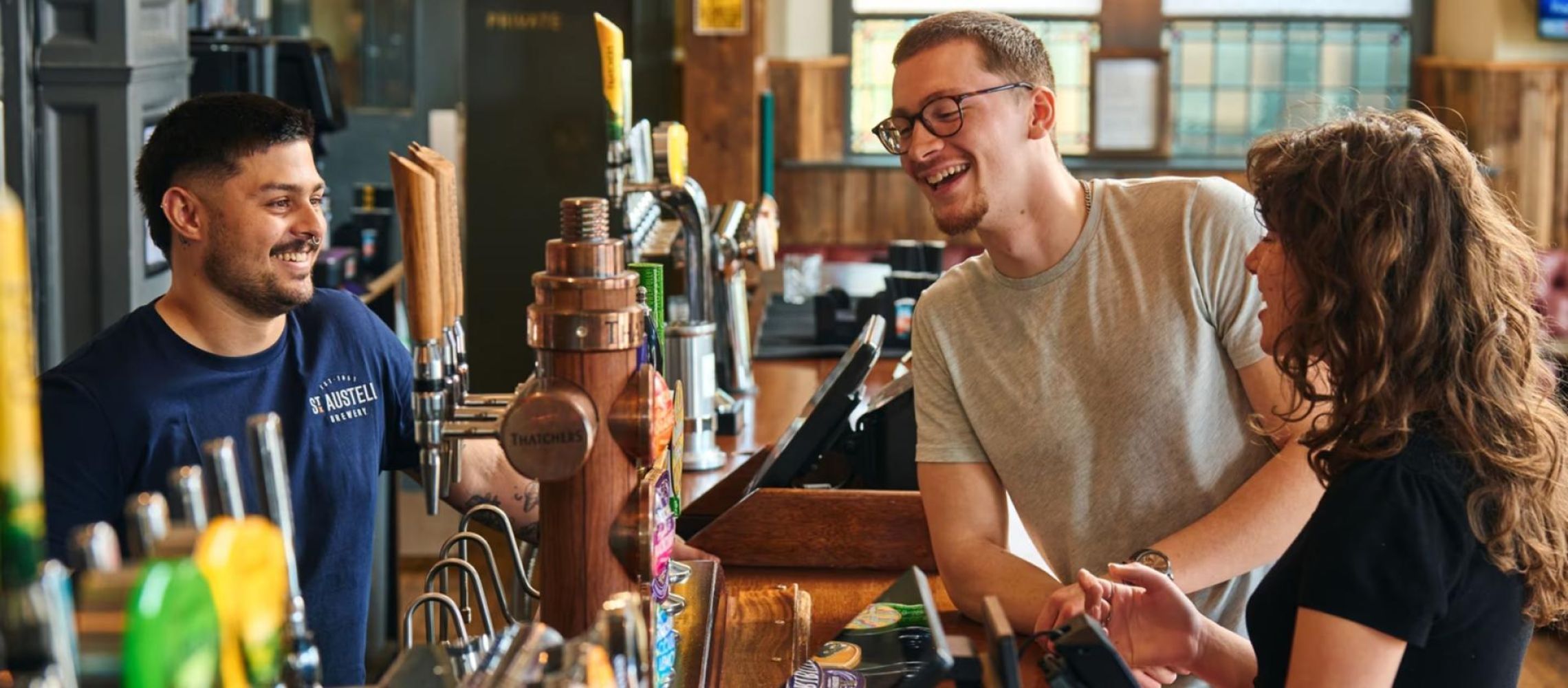
Header image source: St Austell
Also Read:
Mitch Adams: From Brewery to Bar, What Makes a Beer Work in the Real World?
Cave Direct Beer Buyer Benjamin Selby Joins the 2027 London Beer Competition Judging Panel
Majestic’s Senior Buyer Tom Brady Joins the London Beer Competition Judging Panel
The 2027 London Beer Competition gives every entrant greater feedback, transparency and valuable commercial insight. Entrants will receive an expanded score breakdown, constructive feedback on how to improve their beers, guidance on how to market and sell them, the names of the judges who tasted their entries, final feedback from the Head Judge and a Buyer Market Intelligence Report.
Enter your beers in the 10th edition of the London Beer Competition.