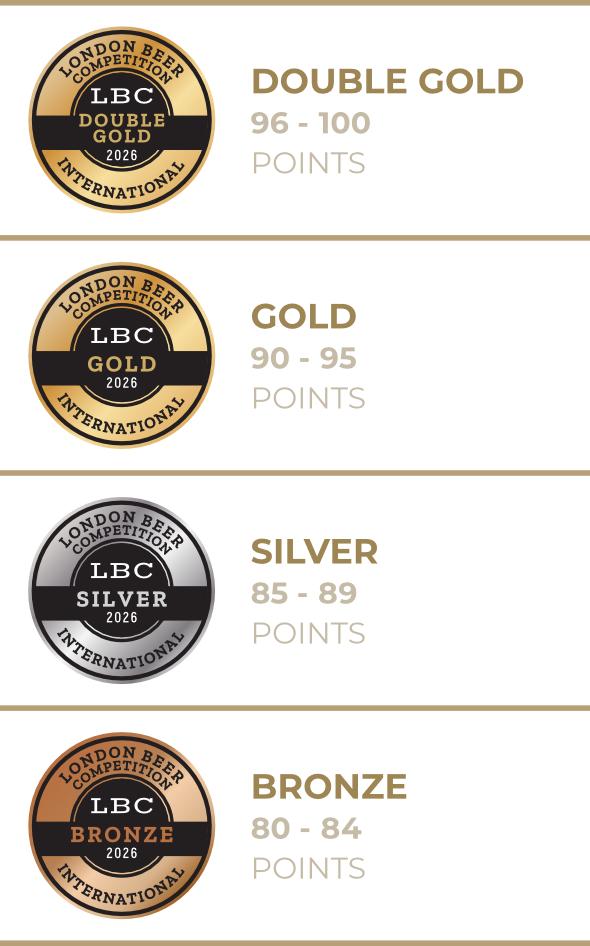
Super Early Deadline
31 August 2026
Judging
Date
22 March 2027
Winners Announcement
22 April 2027
31 August 2026
22 March 2027
22 April 2027



A beer can be excellent and still fail commercially. It might not sell quickly enough to justify its place on a bar, arrive inconsistently, or come from a brewery whose ambitions have outpaced its finances. For John Gyngell, understanding those realities is part of running a successful beer business.
As founder of North Bar in Leeds and co-founder of North Brewing Co., Gyngell has worked on both sides of the bar, from deciding which beers deserve a tap to understanding the pressures facing the breweries supplying them. Through his consultancy, Hexagon Strategy, he now helps hospitality and brewing businesses navigate the commercial decisions that can determine whether they thrive or struggle.
In this interview, Gyngell explains what earns a beer a place on his bar, why reliability and communication matter as much as the liquid itself, and how he spots the difference between a business that looks busy and one that actually makes money. His advice on expansion is particularly direct: if a business cannot operate without its founder, opening another site is unlikely to solve the problem.
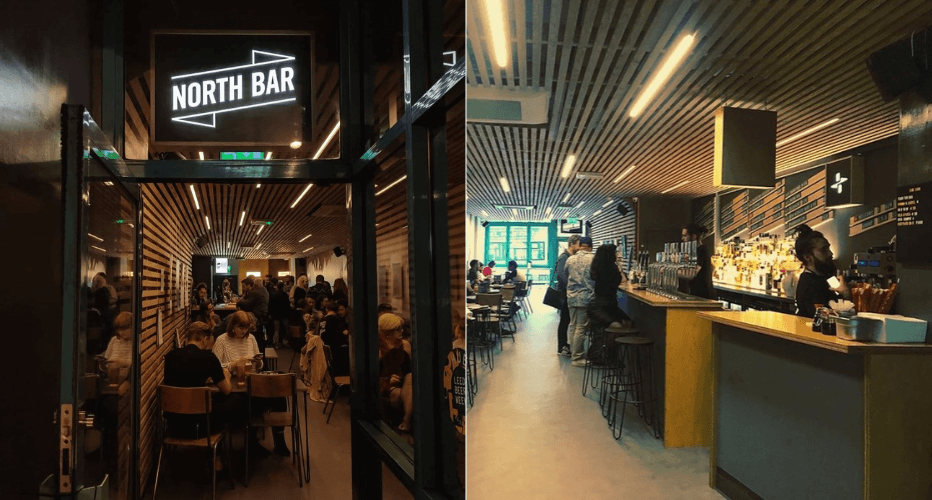
Image: North Bar
I'm looking for a beer I'd go back to again and again, not necessarily a one-off whether that's something new or a time-honoured classic.
Then it's about making it easy for the customer and the team. A short, honest description, a taster if the team can pour one, and a line or two about the brewery. People will try something new if they trust you, so the staff matters more than the menu. I'd rather introduce one beer properly than five badly.
Left Handed Giant from Bristol is a brewery I can trust to always deliver.
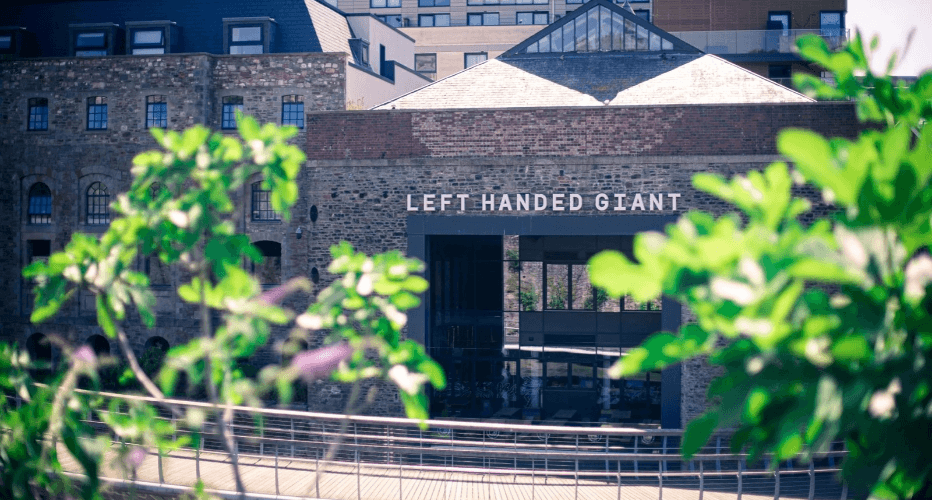
Image: Left Handed Giant Brewery.
I want the brewery to understand the bar. They need to know what we like before they get there. Don't try to sell me something that won't work.
Then price, availability, delivery dates, and somebody who picks up the phone.
I also want the story of the beer in two lines my team can repeat on a busy Friday, and great POS. Great glassware is the key.
It sells, people ask for it again, and it's reliable. Reliability matters more than people think. A beer that's brilliant one batch and off the next will lose a repeat order faster than a mediocre one that's always the same.
Then it's the relationship. It genuinely comes down to whether we get on, whether there's trust, and whether we can build on that relationship.
Amity is a brewery close to us in Leeds, and they're great people. We have a lot of mutual trust.
Communication is everything.
Breweries underestimate how much every tap line has to earn. A bar has rent, wages, wastage, and a limited number of lines, so nobody is owed a slot. The beer has to sell and keep selling. So tell us what's coming and what's changing, and don't leave us guessing.
Bar operators underestimate how thin a brewery's margin is, and how much goes on duty, kegs, delivery, and waiting to be paid. A small brewery's cash flow can be tight when a bar is slow to pay. So tell them early if a beer is slow and pay on time.
Having done both, I think the best relationships are where each side understands the other's numbers and talks before there's a problem.
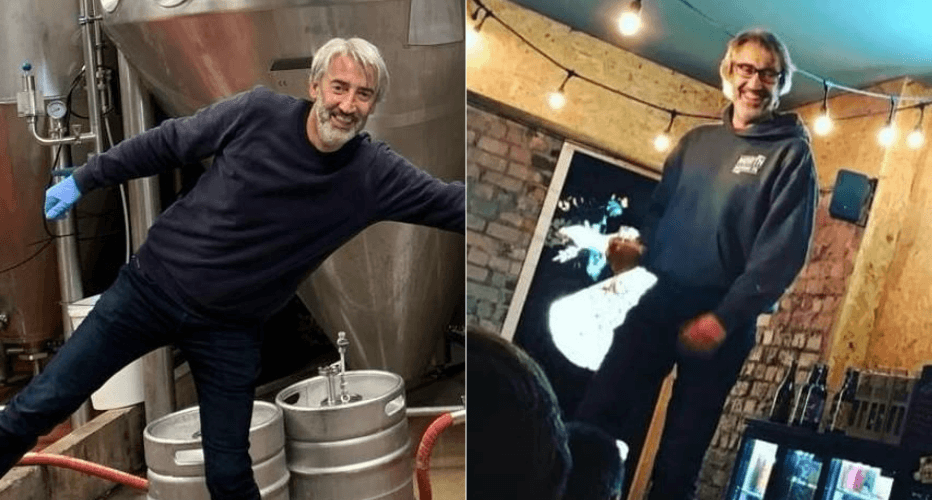
Image: John Gyngell, founder of North Bar in Leeds and co-founder of North Brewing Co.
I'd like to say I start with the numbers, but I don't. I get a sense of how it feels, how it looks, the brand, the building, the people. Then it's the numbers: margin before sales, and cash. A business can look busy and still be losing money.
Then I work out which kind of problem it is. If people try it once and don't come back, it's the product. If it's busy but there's no profit, it's usually pricing or costs. If the product is great but nobody can find it, that's distribution. And if nobody is clear on who decides what, it's how the business is being run, which is more common than people admit.
I go in as a customer first. You learn a lot in the first two minutes.
I ask whether the business could run for a month without the founder in the room. If the answer is no, a second site will make things worse, not better.
After that, is the first site making proper money, not just taking money? Are the systems and the people good enough to copy? Is there enough cash for it to go wrong once? Growth because it feels like the next step is how people get hurt. Growth because the foundations are solid is a different thing.
Entrepreneurs are built to grow, for growth's sake. That's a fundamental issue that keeps coming up.
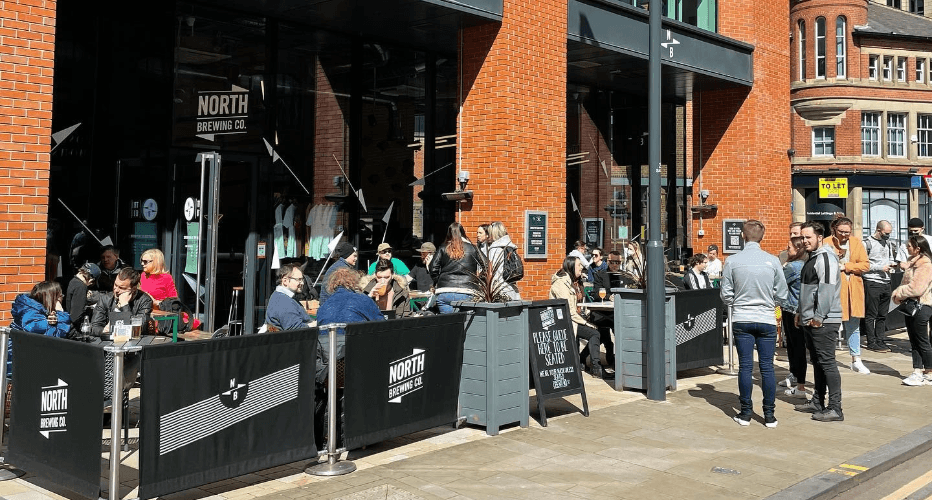
Image: North Brewing Co. Tap Room
Knowing their numbers, properly. Beyond that, getting the beer in front of people through more than one route without concentrating on one particular channel, and being able to say in one sentence what they are and why anyone should care.
The other thing is people. A team that stays, and a founder who can step back, will get a business through a bad year. And the willingness to say no to growth that doesn't fit. Good beer gets you in the room. These are what keep you there.
[[relatedPurchasesItems-69]]
Cities. I love buildings, I love travel, and I love how a city moves and changes over time, how people interact in that place and how they change too. I love maps too. Show me any major city from the air, and I can tell you where it is. I'm a geek.
I also love a good stadium, particularly from before they all started to look the same. Told you – Geek!
In conversation with Malvika Patel, Editor and VP, Beverage Trade Network
Also Read:
Mitch Adams: From Brewery to Bar, What Makes a Beer Work in the Real World?
Inside Waitrose’s Beer Aisle: Jourdan Gabbini on Growth, Quality and Judging
10 Traditional Beer Trends Gen Z Is Making Cool Again
The 2027 London Beer Competition gives every entrant greater feedback, transparency and valuable commercial insight. Entrants will receive an expanded score breakdown, constructive feedback on how to improve their beers, guidance on how to market and sell them, the names of the judges who tasted their entries, final feedback from the Head Judge and a Buyer Market Intelligence Report.
Enter your beers in the 10th edition of the London Beer Competition.