Super Early Deadline
31 August 2026
Judging
Date
22 March 2027
Winners Announcement
22 April 2027
31 August 2026
22 March 2027
22 April 2027



For a brewery, getting listed by a major pub operator can feel like the breakthrough. For the buyer, it is the point at which the real test begins. Does the beer sell at the rate expected? Does it bring in additional business or simply displace another pint? Can the supplier keep it available and get the practical details right?
Benedict Sedgwick, Buying Manager and Drinks Procurement at Fuller, Smith & Turner, approaches beer buying from the perspective of an operator responsible for a large and varied pub estate. His decisions begin with category performance and the role each tap needs to play, rather than with a brewery looking for a listing.
That makes his view of commercial success refreshingly measurable. A compelling brand story or a well-made beer is not enough on its own. Suppliers need to deliver reliable stock, support the beer on the ground, and demonstrate that it can grow sales within an existing range. As a judge for the 2027 London Beer Competition, Sedgwick brings that same buyer's perspective to assessing the beers themselves. Here, he explains what breweries need to understand about winning a listing, keeping it, and making it count.
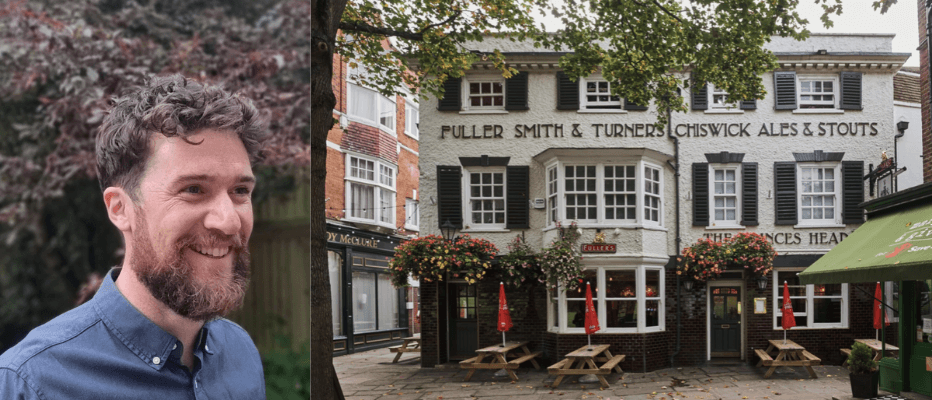
It starts with the category, not the brewery. We look at what's happening in the market and how our estate is performing. Then we decide what role each tap needs to play, and only after that do we find the brands that fill those roles best. New breweries usually come in through our guest beer tender, then into a limited number of permanent taps.
We have lots of data on who our customers are in each pub. From that insight and our own sales data, we can work out which category roles are required on the bar.
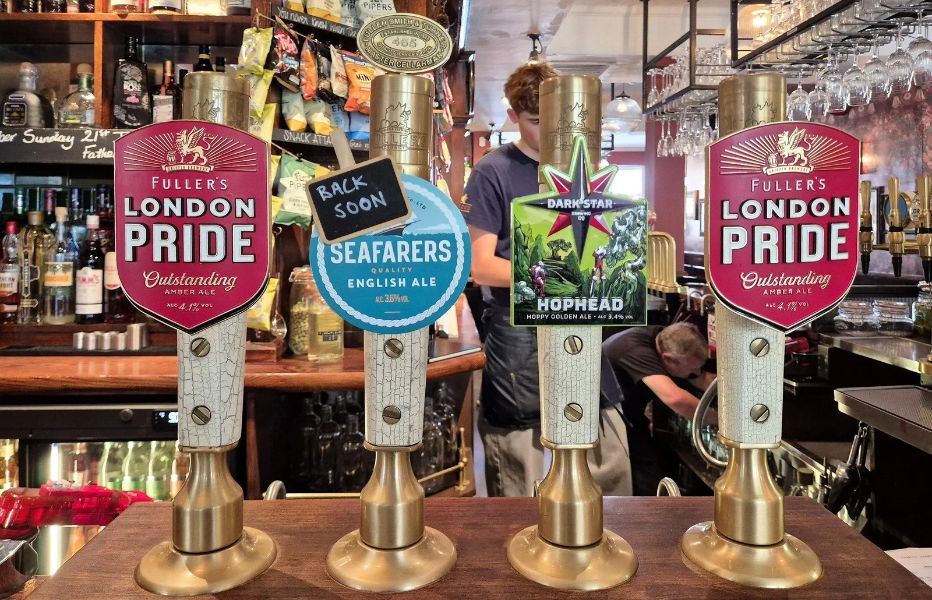
Image: Fuller's Bell & Crown pub, Chiswick.
It has to show a strong rate of sale, compared fairly against other beers. It also needs a net price that works for the pub and a plan for selling the beer once it's listed.
Getting listed is the start, not the finish. We expect suppliers to drive sales with their own teams. The details matter too: shelf life on arrival, badges, and getting line installations sorted properly.

Image: Benedict Sedgwick with James Keogh's and his team at The Churchill Arms, Kensington, for taking home the award for Pub of the Year in London Lifestyle Awards.
Guest beers should bring in extra sales, not take them from the existing range. Incremental volume is the key thing we are always looking for.
I believe in a brand when the brewery invests in people on the ground, keeps stock reliably available, and sees ROS growth in existing distribution.
[[relatedPurchasesItems-69]]
It needs to mean something to the customer as well as meeting quality credentials. Remember, their experience of the beer is not always how it leaves the brewery.
Tour vineyards in New Zealand.
Also Read:
Fuller's Beer Expert Benedict Sedgwick Joins The London Beer Competition As A Judge
Good Beer Gets You in the Room. What Keeps a Beer Business There?
Mitch Adams: From Brewery to Bar, What Makes a Beer Work in the Real World?
The 2027 London Beer Competition gives every entrant greater feedback, transparency and valuable commercial insight. Entrants will receive an expanded score breakdown, constructive feedback on how to improve their beers, guidance on how to market and sell them, the names of the judges who tasted their entries, final feedback from the Head Judge and a Buyer Market Intelligence Report.
Enter your beers in the 10th edition of the London Beer Competition.